Spotting the early warning signs
Across Minnesota, winter can take a toll on roofs. The first clue is often subtle: a patch of dark staining near the attic access, or moisture spots that appear on ceilings after a thaw. Our crews in every Minnesota metro see these signs year after year. Early detection means fewer surprises and less damage downline.
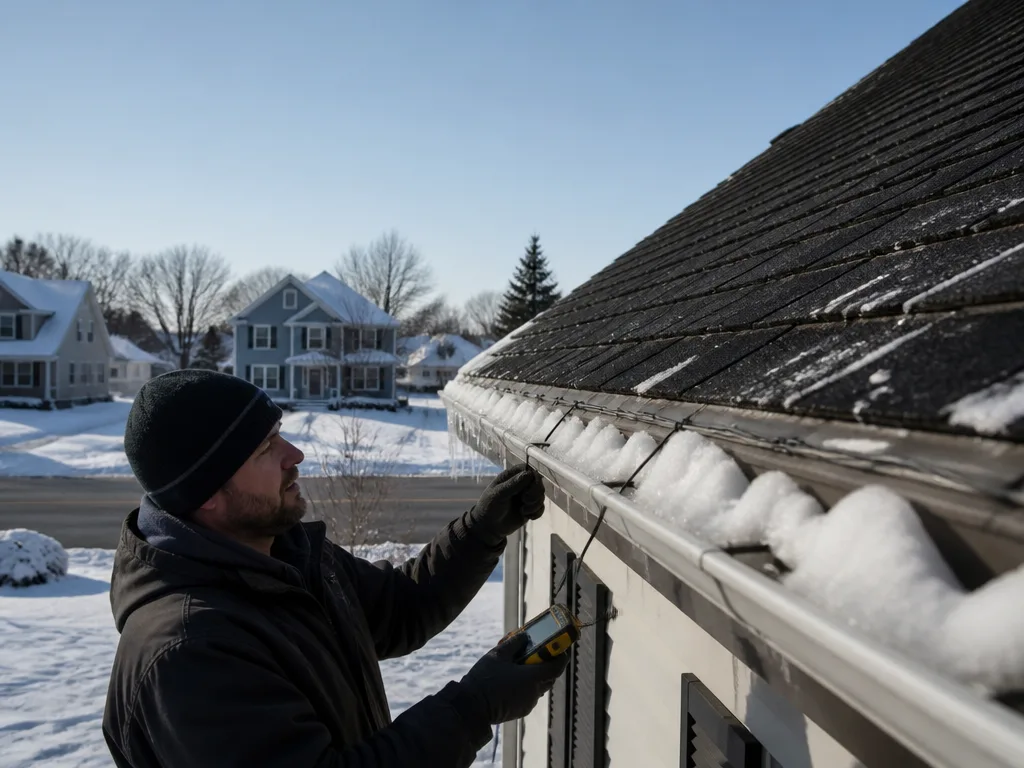
Another common signal is ice damning along eaves. When heat escapes into the attic, it melts snow on the roof and refreezes at the edge. That creates a dam that can push water under shingles and into the home. If you notice icicles hanging heavily from the edge or streaks of melted snow draining onto siding, you may be dealing with a developing problem.
What to check in a typical attic and roof area
Start with insulation and ventilation. Poor insulation can let warm air rise and warm the roof deck, increasing the risk of ice dams across Minnesota. Look for gaps in attic insulation or areas where joists are exposed. In the attic, check for rusted nails, loose fasteners, or signs of moisture on plywood.
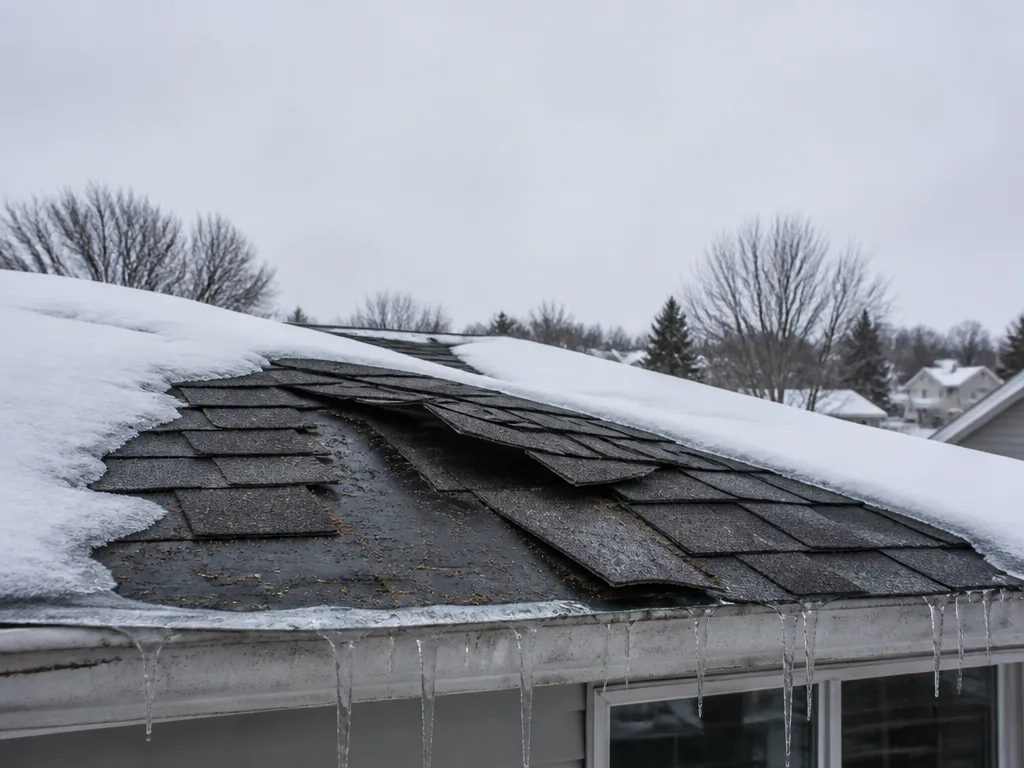
On the exterior, examine shingles for curling, cracking, or missing edges. In Minnesota, wind-driven blows can lift shingles in the north and central parts of the state. A quick walk around the home after a snowfall often reveals lifted edges or bare spots where snow sits longer on the roof.
What Minnesota Ice Dam Gutters looks for
We evaluate the whole system: roof deck, attic ventilation, insulation, gutters, and ice dam risk. Our team uses a practical approach that fits homes across Minnesota. We document findings with photos and explain how each issue could impact energy use, interior moisture, and the structure over time.
If a warning sign is present, we discuss options that are appropriate for Minnesota homeowners, such as improving insulation, adjusting venting, or scheduling a roof inspection before the next heavy snowfall. The goal is to prevent damage while keeping costs reasonable.
Simple steps you can take now
- Check attic insulation levels and seal obvious gaps.
- Trim overhanging branches that could rub against the roof in storms.
- Clear gutters of leaves so meltwater can flow away from the house.